

The Role of Filler Masterbatches in Effective Cost Control and Beyond
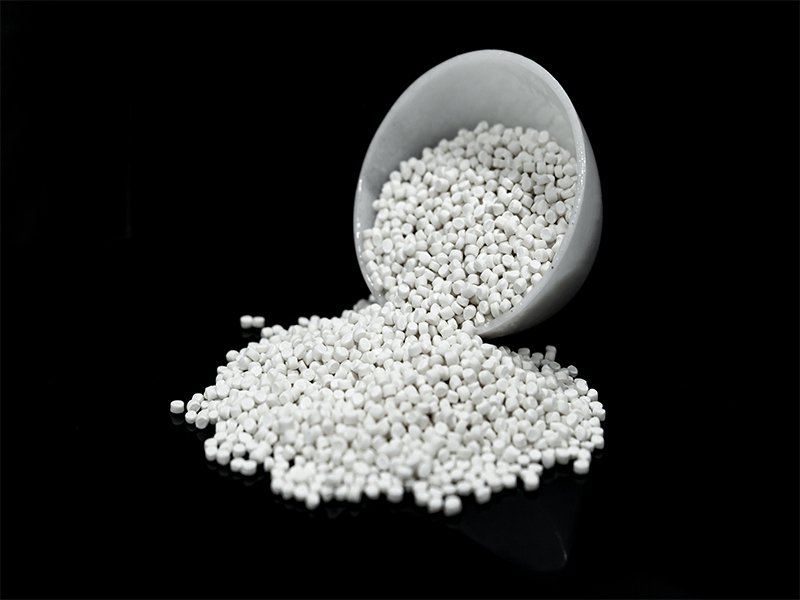
In a competitive and resource-sensitive industry like ours, cost control is not simply an operational objective but a strategic imperative. From raw material prices and energy costs to compliance requirements, every variable has a direct impact on the final output and operating profitability. At Plastiblends, we understand the importance of balancing quality, performance and profitability through the effective, yet often underappreciated, use of filler masterbatches.
Understanding Filler Masterbatches
Filler masterbatches are specialised formulations created by dispersing fine mineral-based fillers into a polymer carrier resin. They are designed to be blended with virgin polymers to improve processing efficiency, enhance certain mechanical properties and, most importantly, reduce overall production costs.
For manufacturers operating in price-sensitive markets, filler masterbatches provide an effective way to maintain product integrity while improving cost efficiency. However, we do not view filler masterbatches simply as a cost-cutting measure. They are value-adding solutions that can support higher productivity and offer broader material choices to processors across different segments.
Reducing Dependence on Costly Base Resins
Manufacturers can replace a portion of expensive base resins with more stable and economical fillers. This can directly reduce the cost per kilogram of the finished product, particularly in high-volume applications such as carry bags, injection-moulded containers and thermoformed trays.
Cost Efficiency Without Compromising Product Integrity
The objective is not merely to use less polymer, but to optimise the material composition in a way that supports the required application performance. When the right filler masterbatch is selected and used at the appropriate loading level, manufacturers can achieve greater control over material costs while maintaining the desired characteristics of the end product.
How Filler Masterbatches Go Beyond Cost Reduction
Cost control through filler masterbatches extends beyond resin replacement. As one of the country's leading masterbatch producers, Plastiblends develops formulations designed to improve processing efficiency, including extrusion output through enhanced melt flow characteristics.
The benefits can also extend to end-product performance. Contrary to the common misconception that fillers necessarily compromise quality, well-designed formulations can enhance certain mechanical properties depending on the application and formulation.
Importance of Dispersion and Compatibility
Every filler masterbatch needs to meet stringent quality parameters related to particle size, dispersion and polymer compatibility. Poorly dispersed or incompatible filler masterbatches can result in surface defects, reduced impact strength and inconsistent product performance.
At Plastiblends, we invest in advanced compounding equipment and real-time quality monitoring systems to ensure formulation consistency. Each batch is developed with consideration for processing conditions, cost efficiency and application-specific performance.
Application-Specific Formulation Matters
A filler masterbatch that works effectively in one application may not necessarily deliver the same results in another. Polymer type, processing conditions, tooling, filler loading and desired end-product properties all influence the final outcome.
This is why formulation expertise remains critical when selecting and implementing filler masterbatches.
Improving Processing Efficiency and Reducing Waste
Filler masterbatches are also designed to support better thickness control and reduce shrinkage, helping manufacturers achieve more reliable production and lower rejection rates.
By optimising flow characteristics, filler masterbatches can help minimise material wastage and post-processing defects. These factors may not always appear in the initial cost calculation, but over time, even small reductions in waste can contribute significantly to overall manufacturing efficiency.
Applications in Injection Moulding
The impact of filler masterbatches is particularly relevant to injection moulding applications. From household products to industrial components, manufacturers constantly look for ways to reduce cycle time without compromising product aesthetics, dimensional stability or strength.
However, achieving these results is not simply a matter of adding fillers to polymers. It requires technical expertise, customised formulations and a clear understanding of the customer's manufacturing environment.
A Consultative Approach to Cost Optimisation
Plastiblends follows a consultative approach by working with clients to assess polymer blends, tooling conditions and performance requirements before recommending the appropriate filler masterbatch.
The objective is to create a solution that improves cost efficiency without compromising product quality or long-term operational stability.
Scalable Solutions for Diverse Applications
Being one of India's trusted names in the masterbatch industry, Plastiblends also focuses on the scalability and versatility of its solutions.
Our filler masterbatches are available across a range of carrier resins, enabling their use in diverse applications with minimal formulation changes. Robust production capacities at our facilities in Daman, Roorkee and Palsana support timely supply and consistent quality for both high-volume and niche requirements.
Maintaining Aesthetics Alongside Cost Efficiency
A key aspect of our filler masterbatch portfolio is its focus on aesthetics. In sectors such as consumer goods and textiles, the visual appeal of plastic products is an important part of the finished product and cannot be overlooked.
Our filler masterbatches are developed to help maintain brightness, minimise yellowing and provide good compatibility with colourants. This enables manufacturers to pursue cost efficiencies without necessarily having to compromise on the appearance of their products.
Cost Savings Should Not Mean Visual Compromise
For consumer-facing products, appearance can influence how the finished product is perceived. Therefore, filler masterbatch selection must consider not only cost and processing performance but also colour, brightness, surface finish and overall aesthetics.
Managing Compliance and Raw Material Volatility
Regulatory compliance is another important consideration when selecting filler masterbatches. With increasing scrutiny around additives and migration limits, choosing the appropriate filler masterbatch is as much about managing compliance-related risks as it is about controlling costs.
In a volatile global market, polymer prices and freight costs can fluctuate significantly. Filler masterbatches can provide manufacturers with greater flexibility in raw material planning and help create more predictable production economics.
Building Greater Cost Stability
For manufacturers dealing with fluctuating polymer prices, the ability to optimise material consumption can provide an additional layer of cost control.
Filler masterbatches can also help manufacturers respond more flexibly to demand fluctuations, supply chain disruptions and changes in raw material availability.
The Future of Filler Masterbatches
Looking ahead, the role of filler masterbatches in cost control is expected to become increasingly strategic. As manufacturers look for ways to improve margins while maintaining product performance, the demand for technically advanced and application-specific solutions will continue to evolve.
Plastiblends is actively investing in innovation and R&D to stay aligned with emerging industry requirements. Our focus is on developing solutions that can support not only better margins but also improved productivity, consistency and market competitiveness.
Filler Masterbatches: More Than a Cost-Cutting Solution
Filler masterbatches are much more than a cost-reduction tactic. They are versatile, performance-enabling tools that can give manufacturers greater control over their material inputs, production outputs and overall economics.
In the hands of experienced masterbatch producers like Plastiblends, filler masterbatches can become a catalyst for operational efficiency and strategic growth.
We believe that in the plastics industry, real innovation lies not only in creating the extraordinary, but also in optimising it every day. With our comprehensive range of filler masterbatches, we help our clients do exactly that.
FAQ’s
1. What are filler masterbatches?
Filler masterbatches are specialised formulations in which fine mineral-based fillers are dispersed into a polymer carrier resin. They are blended with virgin polymers to improve cost efficiency, processing performance and, depending on the formulation, certain properties of the finished product.
2. How do filler masterbatches help reduce production costs?
Filler masterbatches allow manufacturers to replace a portion of more expensive virgin polymer with lower-cost mineral fillers. This can reduce the overall material cost per kilogram, particularly in high-volume plastic manufacturing applications.
3. Do filler masterbatches affect the quality of plastic products?
The impact depends on the formulation, filler loading, polymer compatibility and application. A well-designed filler masterbatch can support the required product performance, while poor dispersion or incompatibility may lead to surface defects, reduced impact strength or inconsistent results.
4. Can filler masterbatches improve processing efficiency?
Yes. Appropriate filler masterbatch formulations can improve melt flow and processing characteristics, which may contribute to better extrusion output, thickness control, reduced shrinkage and lower material wastage.
5. Where are filler masterbatches commonly used?
Filler masterbatches are used across several plastic processing applications, including carry bags, injection-moulded products, household items, industrial components and thermoformed products. The appropriate formulation depends on the polymer, processing method and end-use requirements.
- How Plastiblends Brings Colour Masterbatches to Life
- Masterbatches: The Backbone of Plastics
- How Masterbatches are Transforming Indian Plastic Industry
- White and Black Masterbatches Define More Than Colour
- How Flexible Plastic Packaging Is Redefining Consumer Convenience
- The Role of Black Masterbatch Manufacturers in Modern Plastics
- The Role of Filler Masterbatches in Effective Cost Control and Beyond
- Why White Masterbatch Manufacturers Are Key to Packaging and Product Aesthetics
- Inside the World of Flexible Plastic Packaging – Trends and Technologies
- The Role of Carbon Black Masterbatch in Modern Plastics
- From Automotive to Agriculture: Why Black Masterbatch Remains in Demand
- 5 Trends Transforming the Rigid Plastic Packaging Industry in the Long Term
- How Automotive Plastic Additives are Revolutionising Car Components
- Inside a Masterbatches Manufacturer’s Lab: The Science of Colour and Performance
- The PET Masterbatch Advantage in Modern Packaging
- The Rise of PP Masterbatch and How It’s Transforming Modern Manufacturing
- A Deep Dive into Carbon Black Masterbatch: Science, Applications & Innovation
- Inside the World of White Masterbatch Manufacturers
- The Real Reason Flexible Plastic Packaging Continues to Outpace Other Formats
- How Plastic Masterbatches Enable Consistency in an Inconsistent Market
- Thermoplastic Compounds and the New Definition of Material Flexibility
- Plastic Compounds and the End of Single-Property Plastics
- Additive Masterbatch Innovations Transforming Thermoplastic Compounds and Cable Insulation
- Flexible Plastic Packaging Explained: How Plastic Compounds and Masterbatches Drive Performance
- Inside Pharmaceutical Packaging: Why Additive Masterbatch and Colour Masterbatch Are Non-Negotiable
- The Science of Strength: Carbon Black Masterbatch, Conductive Masterbatch and Advanced Plastic Compounds
- Inside the Growth of Filler Masterbatches: Where Cost Efficiency Meets Performance in Plastic Compounds
- The Evolution of Plastic Masterbatch Manufacturers in India: From Commodity to Innovation Leaders
- Thermoplastic Compounds: The Backbone of Next-Gen Plastic Masterbatch Manufacturing
- White Masterbatches and the Science of Premium Aesthetics in Plastic Products
- From Concept to Component - How Engineering Compounds Are Redefining Material Performance Across Industries
- Invisible Protection - How Antioxidant Masterbatch Extends the Life of Plastics in High-Temperature Applications
- The Shift Toward Lightweighting: A Competitive Edge for Rigid Plastic Packaging Manufacturers
- What Automotive OEMs Look for in Black Masterbatch Manufacturers in 2026
- Colour Masterbatches Are Becoming a Design Language in Manufacturing
- Engineering Compounds: The Backbone of Modern Plastic Applications
- How Smart Compounding is Shaping Everyday Products
- Why the Automotive Industry Relies on Specialised Plastic Compounds Today
- Conductive Compounds in Automotive Electronics: Meeting the Demands of EV Components
- How Rigid Plastic Packaging Manufacturers Are Adapting to India's New Recycled Content Regulations
- How to Choose the Right PP Masterbatch for Packaging, Automotive, and Textile Industries
- What Are Thermoplastic Compounds and Why Do They Matter?
- Automotive Compounds: What Makes Modern Vehicles Lighter, Safer and More Durable
- Beyond Colour: How Masterbatch Producers Are Driving Material Performance
- Heat, Processing and Performance: Why Antioxidant Masterbatch Is Essential
- How Flexible Plastic Packaging Manufacturers Improve Products' Shelf Life