

Engineering Compounds: The Backbone of Modern Plastic Applications
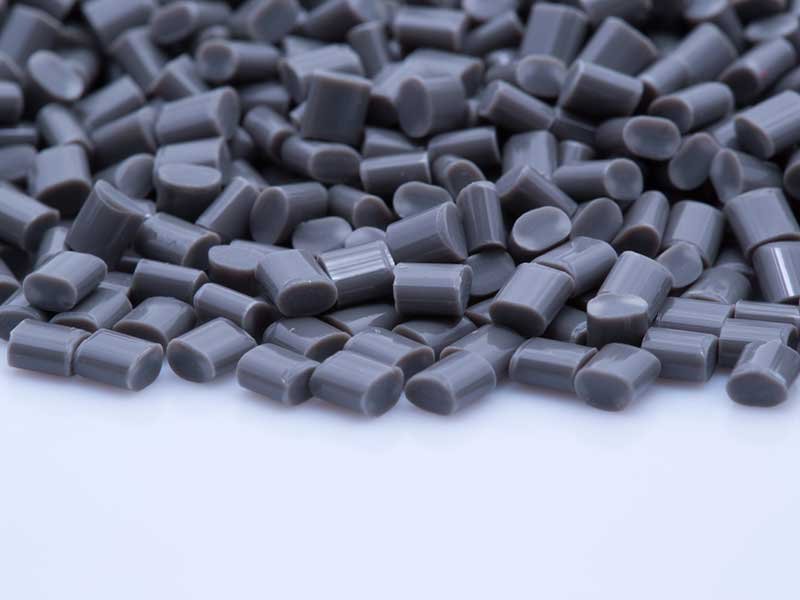
Pick up almost any plastic product around you, a power tool casing, a car door panel and there’s a good chance you’re holding something made from a material that’s been carefully engineered, not simply moulded. That material is almost certainly an engineering compound and it’s doing a lot more work than it looks.
Engineering compounds sit deep in the supply chain, invisible to end users. Across the plastics industry, they have become the foundation on which demanding applications are built and the range of what’s achievable through compounding, when combined with the right colour masterbatches, filler masterbatches and performance additives, is genuinely remarkable.
What Engineering Compounds Actually Are
Engineering compounds are plastic materials formulated to go beyond what standard polymers can deliver. Through compounding, manufacturers introduce additives, reinforcing agents, fillers, or modifiers that are chosen specifically for the end application.
The result is not a generic material. It’s a purpose-built solution. Need a plastic that survives 150°C under a vehicle’s hood? This is what separates engineering compounds from commodity plastics: the level of specificity in how they’re designed.
Why the Plastics Industry Has Shifted Toward Engineered Materials
There’s been a structural shift happening across manufacturing for decades and engineering compounds are at its centre. Industries that once built everything from steel or aluminium have been replacing metal components with plastics, not to cut costs, but because in many applications, engineered plastic genuinely performs better.
Weight is the most obvious advantage. Engineering compounds can approach a metal’s strength at a fraction of the mass. These materials can be moulded into complex geometries in a single step, consolidating what might have been several machined metal parts into one moulded component. That simplification reduces assembly time, lowers production costs and removes potential failure points from the design.
Conductive Compounds: When Plastics Need to Manage Electricity
Most people associate plastic with insulation, but conductive compounds have changed that entirely.
Conductive compounds are engineering compounds specifically formulated to manage electrical behaviour, whether that means safely dissipating static charge, providing electromagnetic shielding, or enabling precise conductivity in sensor components. The electrical properties are introduced through additives like carbon black, carbon fibre, or metallic fillers, each giving the material a different conductive profile depending on the application.
Think about fuel system components in vehicles, where static buildup near flammable fluids is a genuine safety hazard. Conductive compounds are not an optional upgrade; they’re the only viable material answer. This is one of the areas where engineering compounds have genuinely moved plastic into territory once reserved exclusively for metals and ceramics.
Automotive Compounds: Where Performance Requirements Are Unforgiving
If you want to see what engineering compounds are truly capable of, look at the automotive sector. It is one of the most demanding customers the plastics industry has. The performance bar for automotive compounds is extraordinarily high, testing is rigorous and the consequences of failure, safety issues, recalls and warranty claims are severe.
Modern vehicles contain hundreds of plastic components, many in positions where failure is simply not an option. Interior structural components need to absorb crash energy without shattering. Exterior parts must withstand years of UV exposure, physical wear and temperature extremes.
Automotive compounds are developed to meet these challenges head-on. The best formulations bring together heat resistance, impact toughness, dimensional stability and surface quality in a single material, a combination impossible to achieve with an unmodified polymer.
As the automotive industry accelerates toward electric vehicles, the brief for automotive compounds is changing again. Battery enclosures, thermal management components and high-voltage connector systems are creating entirely new requirements and alongside them, new demand for conductive compounds that can manage the electrical behaviour those systems require.
The Additives That Take Engineering Compounds Further
Even within the world of engineering compounds, performance can be pushed further with the right additive systems. A few that come up consistently across demanding applications are worth understanding in detail.
Filler masterbatches are widely used to improve stiffness, reduce raw material costs and stabilise processing. They’re not glamorous, but they’re genuinely useful in making engineering compounds more cost-effective.
UV masterbatch addresses a vulnerability that’s easy to overlook: ultraviolet radiation gradually breaks down polymer chains, causing plastics to become brittle, discoloured and structurally weakened over time. For any engineering compound that will see regular sun exposure, UV masterbatch is not optional. It’s a fundamental part of the formulation.
The Future Is Already Being Compounded
Engineering compounds have already transformed the plastics industry. Sustainability is reshaping the brief for material developers. Recyclability, bio-based inputs and lower carbon footprints are fast becoming requirements rather than differentiators. Getting there without sacrificing the performance properties that make engineering compounds worth using is a genuinely hard problem, and one that the plastics industry is actively working to solve.
- How Plastiblends Brings Colour Masterbatches to Life
- Masterbatches: The Backbone of Plastics
- How Masterbatches are Transforming Indian Plastic Industry
- White and Black Masterbatches Define More Than Colour
- How Flexible Plastic Packaging Is Redefining Consumer Convenience
- The Role of Black Masterbatch Manufacturers in Modern Plastics
- The Role of Filler Masterbatches in Effective Cost Control and Beyond
- Why White Masterbatch Manufacturers Are Key to Packaging and Product Aesthetics
- Inside the World of Flexible Plastic Packaging – Trends and Technologies
- The Role of Carbon Black Masterbatch in Modern Plastics
- From Automotive to Agriculture: Why Black Masterbatch Remains in Demand
- 5 Trends Transforming the Rigid Plastic Packaging Industry in the Long Term
- How Automotive Plastic Additives are Revolutionising Car Components
- Inside a Masterbatches Manufacturer’s Lab: The Science of Colour and Performance
- The PET Masterbatch Advantage in Modern Packaging
- The Rise of PP Masterbatch and How It’s Transforming Modern Manufacturing
- A Deep Dive into Carbon Black Masterbatch: Science, Applications & Innovation
- Inside the World of White Masterbatch Manufacturers
- The Real Reason Flexible Plastic Packaging Continues to Outpace Other Formats
- How Plastic Masterbatches Enable Consistency in an Inconsistent Market
- Thermoplastic Compounds and the New Definition of Material Flexibility
- Plastic Compounds and the End of Single-Property Plastics
- Additive Masterbatch Innovations Transforming Thermoplastic Compounds and Cable Insulation
- Flexible Plastic Packaging Explained: How Plastic Compounds and Masterbatches Drive Performance
- Inside Pharmaceutical Packaging: Why Additive Masterbatch and Colour Masterbatch Are Non-Negotiable
- The Science of Strength: Carbon Black Masterbatch, Conductive Masterbatch and Advanced Plastic Compounds
- Inside the Growth of Filler Masterbatches: Where Cost Efficiency Meets Performance in Plastic Compounds
- The Evolution of Plastic Masterbatch Manufacturers in India: From Commodity to Innovation Leaders
- Thermoplastic Compounds: The Backbone of Next-Gen Plastic Masterbatch Manufacturing
- White Masterbatches and the Science of Premium Aesthetics in Plastic Products
- From Concept to Component - How Engineering Compounds Are Redefining Material Performance Across Industries
- Invisible Protection - How Antioxidant Masterbatch Extends the Life of Plastics in High-Temperature Applications
- The Shift Toward Lightweighting: A Competitive Edge for Rigid Plastic Packaging Manufacturers
- What Automotive OEMs Look for in Black Masterbatch Manufacturers in 2026
- Colour Masterbatches Are Becoming a Design Language in Manufacturing
- Engineering Compounds: The Backbone of Modern Plastic Applications
- How Smart Compounding is Shaping Everyday Products
- Why the Automotive Industry Relies on Specialised Plastic Compounds Today
- Conductive Compounds in Automotive Electronics: Meeting the Demands of EV Components
- How Rigid Plastic Packaging Manufacturers Are Adapting to India's New Recycled Content Regulations
- How to Choose the Right PP Masterbatch for Packaging, Automotive, and Textile Industries
- What Are Thermoplastic Compounds and Why Do They Matter?
- Automotive Compounds: What Makes Modern Vehicles Lighter, Safer and More Durable
- Beyond Colour: How Masterbatch Producers Are Driving Material Performance
- Heat, Processing and Performance: Why Antioxidant Masterbatch Is Essential
- How Flexible Plastic Packaging Manufacturers Improve Products' Shelf Life