

The Real Reason Flexible Plastic Packaging Continues to Outpace Other Formats
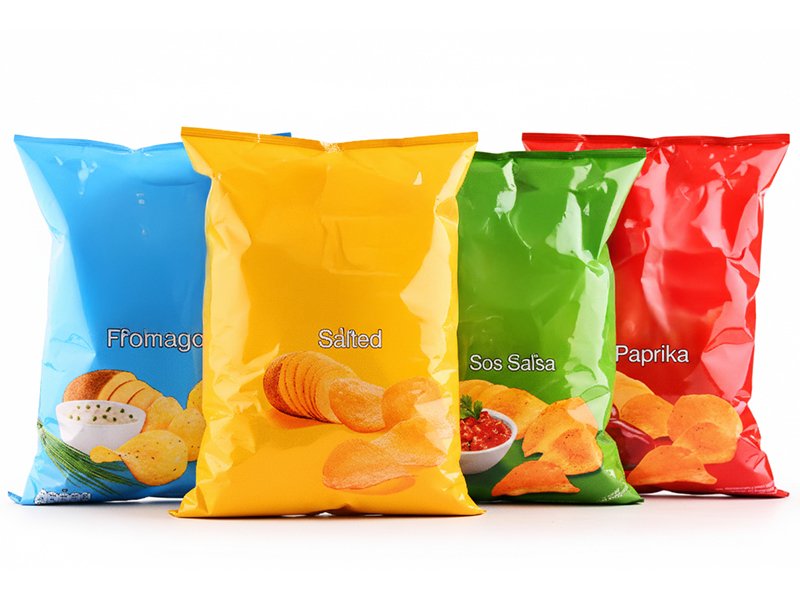
In the global plastics industrial landscape, we are witnessing a stark structural shift that is far beyond passing retail trends. Whether you are a high-stakes pharmaceutical packaging line auditor or a consumer-facing food brand, the revolutionary transition from using heavy glass and metal to flexible plastic packaging is no longer just an option - it’s the competitive benchmark.
As of 2026, the global flexible packaging market is projected to surpass a massive $350 billion, growing at a Compound Annual Growth Rate of more than 5.8%. This isn't just about a change in the external “look” of packaging; it’s a superior engineering response to the inefficiencies and ineffectiveness of traditional rigid formats.
Shattering the Standard of Rigidity
For decades, rigid packaging formats were the go-to default because flexible plastic films had seen to possess historical limitations. They were believed to not be strong enough, they couldn't effectively block oxygen, and they carried a low-quality appearance.
Material science has drastically changed that. The shift in choice has been made along with advancements in innovation. Through advanced plastic compounds and specialised masterbatches, flexible packaging has systematically eliminated the need for:
- Glass Jars and Bottles: Which are bulky, shatter-prone, and energy-intensive to recycle.
- Metal Cans and Tins: Which require large amounts of energy to produce and often use BPA-liners that consumers now avoid.
- Rigid Plastic Tubs: Which occupy massive spaces to store and are expensive to transport when empty.
Resource Efficiency: The "Less is More" Strategy
The most compelling reason flexible plastic packaging formats are winning is rooted in simple physics. It has proven to use up to 70% less raw materials than its rigid alternatives to protect the same amount of product.
- Lightweighting: A flexible pouch can weigh 1/10th of a glass jar. In an era of rising fuel costs and carbon-neutral corporate goals, this weight reduction slashes transportation emissions.
- Logistical Density: Because flexible pouches can be effortlessly shipped flat or in rolls, one truckload of flexible packaging can carry the equivalent volume of 26 truckloads of glass jars. This translates to a massive reduction in warehouse overheads and supply chain complexity.
Performance Without Compromise
Through the use of high-performance plastic masterbatch, flexible films are now engineered with "superpowers" that rival any rigid container. We are no longer talking about simple "plastic bags"; we are talking about highly engineered membranes.
- UV Protection: Using specialised UV masterbatch ensures that contents -ranging from light-sensitive food ingredients to high-end skincare - are shielded from photochemical degradation. This technology, originally perfected for long-lasting agricultural films, now ensures retail products have a longer shelf life without the need for bulky, opaque rigid walls.
- Medical Integrity: In medicine packaging, barrier performance is non-negotiable. Modern flexible films provide an airtight shield against moisture and oxygen. By incorporating advanced plastic compounds, these films keep life-saving drugs stable and sterile, offering a lightweight alternative to traditional glass vials or heavy rigid trays.
- Industrial-Grade Durability: The same science that goes into cable insulation and automotive plastic additives is now being used to create "high-puncture-resistance" films. By utilising specialised thermoplastic compounds, flexible packaging can now survive extreme temperatures (like retort processing or deep-freezing) and rough handling that would dent metal cans or crack rigid glass jars.
Revolutionising the Food Packaging Industry
The food sector has seen the most dramatic shift toward flexible plastic packaging formats in this day and age. In an industry where freshness is currency, flexible plastic packaging offers functional benefits that rigid containers cannot replicate.
- Extended Shelf Life: Multi-layer films incorporate high-barrier plastic compounds that keep moisture out and modified atmospheres in, significantly reducing food waste.
- On-the-Go Convenience: From stand-up pouches with resealable zippers to "sip-and-seal" spouts for liquids, flexible formats cater to the modern consumer's demand for portability.
- Contamination Control: Using antimicrobial additives within the film structure ensures a level of food safety that makes flexible options the preferred choice for meat, dairy, and poultry.
Comparison: Why the Plastic Industry is Switching
|
Feature |
Flexible Plastic Packaging |
Rigid Formats (Glass/Metal) |
|
Material Usage |
Minimal (Resource efficient) |
High (Resource intensive) |
|
Energy to Produce |
Up to 75% Lower |
High (Melting glass/metal) |
|
Logistics |
Shipped flat (Ultra-dense) |
Shipped empty (Bulky & heavy) |
|
Consumer Ease |
Lightweight & Resealable |
Heavy & Often non-resealable |
|
Shelf Presence |
360° Branding |
Limited to labels |
Driving the Circular Economy
Sustainability is the final frontier. Because flexible packaging requires less energy to manufacture and creates fewer emissions, it often has a lower total lifecycle impact than heavier materials. By pioneering antioxidant masterbatch to stabilise recycled resins and filler masterbatches to reduce virgin plastic use, we at Plastiblends are helping the industry evolve responsibly.
The Future is Flexible
The shift away from rigid formats isn't just a trend; it's an evolution. By combining high-performance masterbatch technology with resource-saving design, flexible packaging is proving to be the most efficient, protective, and visually stunning tool in a manufacturer's arsenal.
- How Plastiblends Brings Colour Masterbatches to Life
- Masterbatches: The Backbone of Plastics
- How Masterbatches are Transforming Indian Plastic Industry
- White and Black Masterbatches Define More Than Colour
- How Flexible Plastic Packaging Is Redefining Consumer Convenience
- The Role of Black Masterbatch Manufacturers in Modern Plastics
- The Role of Filler Masterbatches in Effective Cost Control and Beyond
- Why White Masterbatch Manufacturers Are Key to Packaging and Product Aesthetics
- Inside the World of Flexible Plastic Packaging – Trends and Technologies
- The Role of Carbon Black Masterbatch in Modern Plastics
- From Automotive to Agriculture: Why Black Masterbatch Remains in Demand
- 5 Trends Transforming the Rigid Plastic Packaging Industry in the Long Term
- How Automotive Plastic Additives are Revolutionising Car Components
- Inside a Masterbatches Manufacturer’s Lab: The Science of Colour and Performance
- The PET Masterbatch Advantage in Modern Packaging
- The Rise of PP Masterbatch and How It’s Transforming Modern Manufacturing
- A Deep Dive into Carbon Black Masterbatch: Science, Applications & Innovation
- Inside the World of White Masterbatch Manufacturers
- The Real Reason Flexible Plastic Packaging Continues to Outpace Other Formats
- How Plastic Masterbatches Enable Consistency in an Inconsistent Market
- Thermoplastic Compounds and the New Definition of Material Flexibility
- Plastic Compounds and the End of Single-Property Plastics
- Additive Masterbatch Innovations Transforming Thermoplastic Compounds and Cable Insulation
- Flexible Plastic Packaging Explained: How Plastic Compounds and Masterbatches Drive Performance
- Inside Pharmaceutical Packaging: Why Additive Masterbatch and Colour Masterbatch Are Non-Negotiable
- The Science of Strength: Carbon Black Masterbatch, Conductive Masterbatch and Advanced Plastic Compounds
- Inside the Growth of Filler Masterbatches: Where Cost Efficiency Meets Performance in Plastic Compounds
- The Evolution of Plastic Masterbatch Manufacturers in India: From Commodity to Innovation Leaders
- Thermoplastic Compounds: The Backbone of Next-Gen Plastic Masterbatch Manufacturing
- White Masterbatches and the Science of Premium Aesthetics in Plastic Products
- From Concept to Component - How Engineering Compounds Are Redefining Material Performance Across Industries
- Invisible Protection - How Antioxidant Masterbatch Extends the Life of Plastics in High-Temperature Applications
- The Shift Toward Lightweighting: A Competitive Edge for Rigid Plastic Packaging Manufacturers
- What Automotive OEMs Look for in Black Masterbatch Manufacturers in 2026
- Colour Masterbatches Are Becoming a Design Language in Manufacturing
- Engineering Compounds: The Backbone of Modern Plastic Applications
- How Smart Compounding is Shaping Everyday Products
- Why the Automotive Industry Relies on Specialised Plastic Compounds Today
- Conductive Compounds in Automotive Electronics: Meeting the Demands of EV Components
- How Rigid Plastic Packaging Manufacturers Are Adapting to India's New Recycled Content Regulations
- How to Choose the Right PP Masterbatch for Packaging, Automotive, and Textile Industries
- What Are Thermoplastic Compounds and Why Do They Matter?
- Automotive Compounds: What Makes Modern Vehicles Lighter, Safer and More Durable
- Beyond Colour: How Masterbatch Producers Are Driving Material Performance
- Heat, Processing and Performance: Why Antioxidant Masterbatch Is Essential
- How Flexible Plastic Packaging Manufacturers Improve Products' Shelf Life