

How Automotive Plastic Additives are Revolutionising Car Components
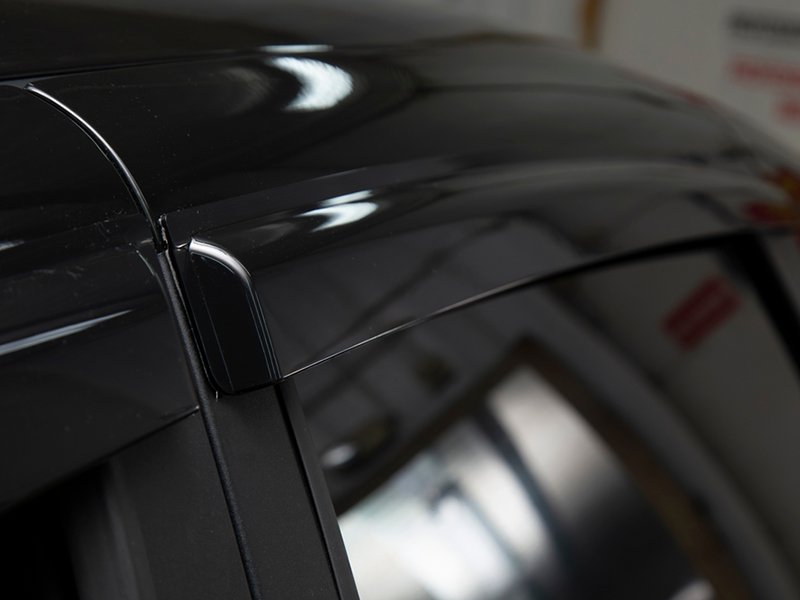
Walk through any modern car showroom today and you will notice something fascinating. The cars have become lighter, sleeker… yet stronger than ever before. Beyond that polished surface and refined design the rise of automotive high-performance additives that empower them.
This transformation is not merely an industrial shift but a redefinition of mobility itself. Automotive additives have evolved from being supporting agents to becoming the driving force behind material innovation.
The automobile’s relationship with plastic dates back decades, but its role has evolved dramatically. From dashboard panels and trims to under-the-hood components and exterior bumpers, plastic has steadily replaced metal, glass and rubber due to its versatility.
But what truly revolutionised this shift was the development of automotive plastic additives that allow polymers to perform in environments that would have been impossible for untreated plastics just a few years ago. For automakers, this has meant the freedom to design lighter cars without compromising performance or safety. For consumers, it translates into better mileage and smoother handling.
Every car component faces a unique set of challenges. A dashboard endures sunlight and heat for hours each day; bumpers withstand impact and vibration; and interior trims must resist wear while maintaining visual appeal.
Automotive plastic additives are made to meet these precise challenges. Anti-scratch agents protect interiors from abrasion. Heat stabilisers preserve material strength under high engine temperatures. UV absorbers prevent fading and embrittlement. Flame retardants increase safety, while processing aids ensure smoother moulding and finish.
Weight reduction has become the automotive industry’s mantra for efficiency. Reducing just 10% of a vehicle’s weight can improve fuel efficiency by up to 6–8%. Additives make this possible by strengthening plastics and enhancing their processability, allowing them to replace heavier materials like steel and aluminium.
When used in automotive compounds, these additives enhance the mechanical properties of polymers such as polypropylene (PP), polyamide (PA) and polycarbonate (PC). Reinforced with glass fibres and stabilised with heat-resistant additives, they provide an exceptional strength-to-weight ratio. The result? Lighter, stronger and more aerodynamic vehicles that align with global emission norms without compromising safety.
The contribution of black masterbatches in this area is particularly significant. The deep, consistent black achieved through advanced carbon dispersion offers not only visual appeal but also protection and thermal stability. It is a signature of elegance and endurance.
Today’s automotive landscape is moving toward intelligence and adaptability and materials are following suit. Smart additives are emerging that can respond to environmental conditions or extend component lifespan dynamically. India is actively exploring these emerging technologies, bringing functionality to the molecular level. The car of tomorrow will be as intelligent in its materials as it is in its software.
Electric Vehicles: New Demands, New Materials
The rise of electric vehicles (EVs) is reshaping material priorities across the industry. With fewer mechanical parts but greater thermal and electrical demands, EVs require additive systems that ensure insulation, flame retardancy and heat dissipation.
For instance, battery housings and charging connectors rely on high-voltage insulation and thermal control where automotive plastic additives play a critical role. By enhancing polymer conductivity or resistance as needed, these additives contribute to both safety and efficiency.
And honestly, additives are no longer developed in isolation. Before any additive formulation reaches the production floor, it undergoes rigorous validation. Mechanical testing ensures impact resistance; weathering tests measure UV durability; chemical analyses verify stability under oils, fuels and cleaning agents. It’s not enough for a product to look good or perform well on paper, it must endure the realities.
The modern car is a marvel of engineering but behind every sleek surface lies the science of materials that make it possible. Automotive plastic additives have revolutionised the way vehicles are built, bringing together strength and science. It’s an honour to say that the revolution in mobility is not just happening on the roads, it’s happening at the molecular level.
- How Plastiblends Brings Colour Masterbatches to Life
- Masterbatches: The Backbone of Plastics
- How Masterbatches are Transforming Indian Plastic Industry
- White and Black Masterbatches Define More Than Colour
- How Flexible Plastic Packaging Is Redefining Consumer Convenience
- The Role of Black Masterbatch Manufacturers in Modern Plastics
- The Role of Filler Masterbatches in Effective Cost Control and Beyond
- Why White Masterbatch Manufacturers Are Key to Packaging and Product Aesthetics
- Inside the World of Flexible Plastic Packaging – Trends and Technologies
- The Role of Carbon Black Masterbatch in Modern Plastics
- From Automotive to Agriculture: Why Black Masterbatch Remains in Demand
- 5 Trends Transforming the Rigid Plastic Packaging Industry in the Long Term
- How Automotive Plastic Additives are Revolutionising Car Components
- Inside a Masterbatches Manufacturer’s Lab: The Science of Colour and Performance
- The PET Masterbatch Advantage in Modern Packaging
- The Rise of PP Masterbatch and How It’s Transforming Modern Manufacturing
- A Deep Dive into Carbon Black Masterbatch: Science, Applications & Innovation
- Inside the World of White Masterbatch Manufacturers
- The Real Reason Flexible Plastic Packaging Continues to Outpace Other Formats
- How Plastic Masterbatches Enable Consistency in an Inconsistent Market
- Thermoplastic Compounds and the New Definition of Material Flexibility
- Plastic Compounds and the End of Single-Property Plastics
- Additive Masterbatch Innovations Transforming Thermoplastic Compounds and Cable Insulation
- Flexible Plastic Packaging Explained: How Plastic Compounds and Masterbatches Drive Performance
- Inside Pharmaceutical Packaging: Why Additive Masterbatch and Colour Masterbatch Are Non-Negotiable
- The Science of Strength: Carbon Black Masterbatch, Conductive Masterbatch and Advanced Plastic Compounds
- Inside the Growth of Filler Masterbatches: Where Cost Efficiency Meets Performance in Plastic Compounds
- The Evolution of Plastic Masterbatch Manufacturers in India: From Commodity to Innovation Leaders
- Thermoplastic Compounds: The Backbone of Next-Gen Plastic Masterbatch Manufacturing
- White Masterbatches and the Science of Premium Aesthetics in Plastic Products
- From Concept to Component - How Engineering Compounds Are Redefining Material Performance Across Industries
- Invisible Protection - How Antioxidant Masterbatch Extends the Life of Plastics in High-Temperature Applications
- The Shift Toward Lightweighting: A Competitive Edge for Rigid Plastic Packaging Manufacturers
- What Automotive OEMs Look for in Black Masterbatch Manufacturers in 2026
- Colour Masterbatches Are Becoming a Design Language in Manufacturing
- Engineering Compounds: The Backbone of Modern Plastic Applications
- How Smart Compounding is Shaping Everyday Products
- Why the Automotive Industry Relies on Specialised Plastic Compounds Today
- Conductive Compounds in Automotive Electronics: Meeting the Demands of EV Components
- How Rigid Plastic Packaging Manufacturers Are Adapting to India's New Recycled Content Regulations
- How to Choose the Right PP Masterbatch for Packaging, Automotive, and Textile Industries
- What Are Thermoplastic Compounds and Why Do They Matter?
- Automotive Compounds: What Makes Modern Vehicles Lighter, Safer and More Durable
- Beyond Colour: How Masterbatch Producers Are Driving Material Performance
- Heat, Processing and Performance: Why Antioxidant Masterbatch Is Essential
- How Flexible Plastic Packaging Manufacturers Improve Products' Shelf Life