

The Evolution of Plastic Masterbatch Manufacturers in India: From Commodity to Innovation Leaders
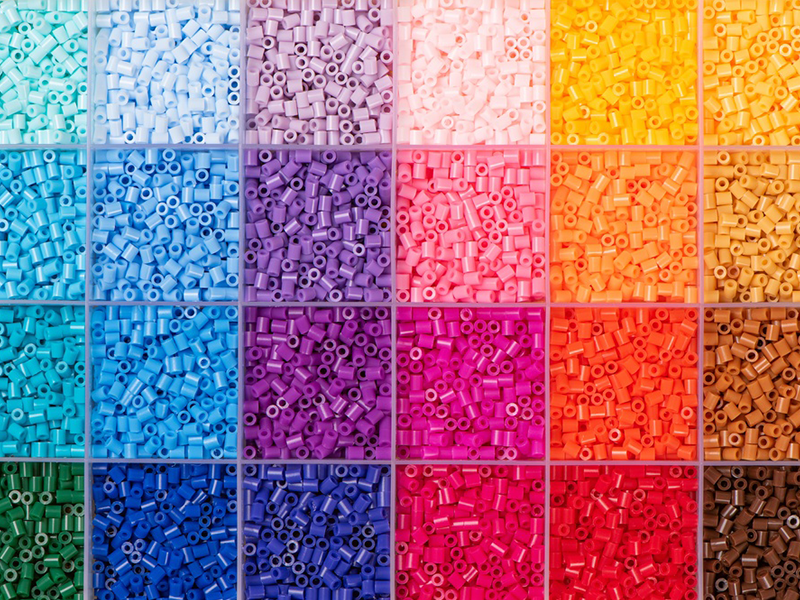
There was a time when the role of a masterbatch manufacturer was relatively straightforward - produce consistent colour, maintain basic quality, and deliver at scale. It was largely a business of volume rather than vision.
But industries evolve. And when they do, the materials that support them need to evolve even faster.
Today, India's plastic masterbatch manufacturers are no longer viewed simply as commodity suppliers. They are increasingly becoming innovation partners, influencing how products look, perform and endure across industries. At the forefront of this transformation are companies like Plastiblends, redefining what it means to operate in the modern plastics industry.
From Colour Consistency to Functional Performance
In its early years, the Indian masterbatch sector was predominantly colour-driven. The primary requirement was straightforward: achieve consistent shades, batch after batch. If the blue remained the same blue, the job was considered done.
But as plastic applications became more advanced, expectations began to change.
Packaging required longer shelf life. Automotive components demanded greater durability. Electrical applications required enhanced safety and stability. Colour alone was no longer enough — functionality became an important differentiator.
The Shift from Aesthetics to Performance
This marked a significant turning point for the masterbatch industry.
Masterbatches gradually evolved from being primarily aesthetic enhancers to becoming performance enablers. Additives could now be incorporated to improve UV resistance, conductivity, strength, stability and other functional properties.
The growth of specialised solutions such as additive masterbatch reflects this transition. The focus is no longer only on how a product looks, but also on how it performs throughout its intended lifecycle.
Additive Masterbatch and the Rise of Functionality
Additive masterbatches allow manufacturers to introduce specific functional properties into polymers according to application requirements. This has expanded the role of masterbatch manufacturers from colour specialists to technical solution providers.
From Scale-Led Manufacturing to Precision-Led Manufacturing
India has always been recognised for its ability to manufacture at scale. But scale alone is no longer sufficient to create a lasting competitive advantage.
The industry has increasingly moved towards precision-led manufacturing, where consistency, technical expertise and application-specific solutions are becoming equally important.
Think of it like the evolution of the textile industry. The journey moved from mass-produced fabrics towards finely crafted, performance-driven materials, where every thread serves a specific purpose.
A similar transformation is now taking place within the plastics industry.
What Modern Masterbatch Manufacturers Are Investing In
Modern masterbatch manufacturers are increasingly focusing on technologies and capabilities that allow them to deliver more precise and specialised solutions.
- Advanced Compounding Technologies
Advanced compounding technologies help manufacturers achieve consistent dispersion and controlled incorporation of pigments and additives into polymer systems.
- Application-Specific R&D
Research and development is becoming increasingly focused on specific end-use requirements rather than generic formulations.
- Polymer Compatibility Studies
Understanding how different masterbatches interact with polymer systems is essential for achieving consistent processing and end-product performance.
- Real-Time Quality Control
Modern quality monitoring systems enable manufacturers to maintain tighter control over critical parameters throughout the production process.
From Generic Products to Customised Solutions
These developments have enabled Indian manufacturers to move beyond standard offerings and develop custom-engineered solutions for specialised and niche applications.
The Rise of Industry-Specific Masterbatch Solutions
One of the most defining aspects of this evolution is the shift towards industry-focused solutions.
Masterbatch manufacturers are no longer developing products in isolation. They are increasingly working around the specific challenges faced by different industries and applications.
Flexible Plastic Packaging
Consider flexible plastic packaging.
What was once a relatively simple requirement — lightweight and durable material — has evolved into a much more complex equation involving barrier properties, shelf life, printability, processability and sustainability.
Masterbatch manufacturers are now expected to contribute to these requirements rather than focusing solely on colour.
Beyond Colour in Packaging
The right masterbatch solution can influence several aspects of packaging performance, from appearance and processing to specific functional characteristics required by the application.
Meeting Changing Packaging Requirements
As packaging formats continue to evolve, manufacturers need solutions that can adapt to new material structures, sustainability objectives and consumer expectations.
Applications Across Diverse Industries
The same evolution can be seen in sectors such as agriculture, healthcare and infrastructure.
Materials used in these applications are expected to perform under specific environmental, mechanical and functional conditions.
This has fundamentally changed the role of masterbatch manufacturers.
They are no longer simply suppliers.
They are becoming problem-solvers.
Competing on Capability, Not Just Cost
Indian masterbatch manufacturers are now supplying products to global markets with stringent quality requirements.
They are increasingly capable of meeting diverse application specifications while maintaining consistency across large-scale production.
Building Global Credibility
For a company like Plastiblends, a global footprint represents more than geographical reach.
It reflects manufacturing capability, consistency and credibility built over time.
The Global Opportunity for Indian Manufacturers
As international customers look for technically capable and reliable manufacturing partners, Indian masterbatch manufacturers are positioned to participate in increasingly specialised global applications.
Sustainability Becomes Part of Product Development
Perhaps one of the most significant shifts in recent years has been the integration of sustainability into masterbatch development.
Sustainability is no longer limited to simply incorporating recycled materials. The focus has expanded towards designing solutions that can support more resource-efficient and circular manufacturing practices.
Key Areas of Sustainable Development
Modern masterbatch development increasingly focuses on:
- Reducing material usage without compromising required strength.
- Supporting improved recyclability of end-products.
- Developing solutions that enable circular manufacturing models.
Where Chemistry Meets Application Insight
Modern masterbatch manufacturers operate at the intersection of:
- Chemistry
- Engineering
- Polymer science
- Manufacturing
- Application expertise
This combination allows them to understand not just what a material is, but what it needs to achieve in its final application.
From Supplier to Strategic Partner
The relationship between manufacturers and customers is therefore evolving.
Instead of simply supplying a standard material, masterbatch manufacturers increasingly work alongside processors and brands to understand application requirements and develop appropriate solutions.
The New Role of Masterbatch Manufacturers
This is perhaps the clearest indication of how far the industry has progressed - from supplying colour concentrates to influencing the performance and possibilities of finished products.
The Future of India’s Masterbatch Industry
The journey of India's masterbatch industry is a story of quiet but significant reinvention.
From commodity-driven beginnings to innovation-led growth, the sector has steadily expanded its capabilities and redefined its role within the plastics value chain.
For Plastiblends, this evolution is not simply an industry-wide development. It is deeply embedded in its approach to business.
By continuously aligning material science with changing market requirements, Plastiblends represents a new generation of Indian manufacturers - companies that do not simply supply materials, but help shape outcomes.
FAQ’s
1. How have masterbatch manufacturers in India evolved?
Indian masterbatch manufacturers have evolved from primarily supplying colour concentrates to developing specialised solutions focused on performance, functionality, processing efficiency and sustainability.
2. Are masterbatches used only for colouring plastics?
No. While colour masterbatches remain an important part of the industry, modern masterbatches can also incorporate functional additives designed to provide properties such as UV resistance, conductivity, stability and other application-specific characteristics.
3. What is additive masterbatch?
Additive masterbatch contains functional additives dispersed in a polymer carrier. It is used to introduce specific properties into plastic products according to the requirements of the application.
4. Why is R&D important for masterbatch manufacturers?
R&D allows manufacturers to develop formulations based on specific polymer systems, processing conditions and end-use requirements. It also supports the development of new solutions for emerging applications and changing industry needs.
5. What role does polymer compatibility play in masterbatch development?
Polymer compatibility is important for achieving consistent dispersion, processing and end-product performance. The carrier resin and additives need to work effectively with the base polymer used by the processor.
6. Which industries use specialised masterbatch solutions?
Masterbatch solutions are used across a wide range of industries, including packaging, automotive, agriculture, healthcare, electrical applications, infrastructure and consumer products.
7. How are masterbatch manufacturers supporting the flexible packaging industry?
Manufacturers are developing masterbatch solutions that address requirements related to colour, processing, barrier performance, printability, sustainability and other application-specific characteristics of flexible packaging.
- How Plastiblends Brings Colour Masterbatches to Life
- Masterbatches: The Backbone of Plastics
- How Masterbatches are Transforming Indian Plastic Industry
- White and Black Masterbatches Define More Than Colour
- How Flexible Plastic Packaging Is Redefining Consumer Convenience
- The Role of Black Masterbatch Manufacturers in Modern Plastics
- The Role of Filler Masterbatches in Effective Cost Control and Beyond
- Why White Masterbatch Manufacturers Are Key to Packaging and Product Aesthetics
- Inside the World of Flexible Plastic Packaging – Trends and Technologies
- The Role of Carbon Black Masterbatch in Modern Plastics
- From Automotive to Agriculture: Why Black Masterbatch Remains in Demand
- 5 Trends Transforming the Rigid Plastic Packaging Industry in the Long Term
- How Automotive Plastic Additives are Revolutionising Car Components
- Inside a Masterbatches Manufacturer’s Lab: The Science of Colour and Performance
- The PET Masterbatch Advantage in Modern Packaging
- The Rise of PP Masterbatch and How It’s Transforming Modern Manufacturing
- A Deep Dive into Carbon Black Masterbatch: Science, Applications & Innovation
- Inside the World of White Masterbatch Manufacturers
- The Real Reason Flexible Plastic Packaging Continues to Outpace Other Formats
- How Plastic Masterbatches Enable Consistency in an Inconsistent Market
- Thermoplastic Compounds and the New Definition of Material Flexibility
- Plastic Compounds and the End of Single-Property Plastics
- Additive Masterbatch Innovations Transforming Thermoplastic Compounds and Cable Insulation
- Flexible Plastic Packaging Explained: How Plastic Compounds and Masterbatches Drive Performance
- Inside Pharmaceutical Packaging: Why Additive Masterbatch and Colour Masterbatch Are Non-Negotiable
- The Science of Strength: Carbon Black Masterbatch, Conductive Masterbatch and Advanced Plastic Compounds
- Inside the Growth of Filler Masterbatches: Where Cost Efficiency Meets Performance in Plastic Compounds
- The Evolution of Plastic Masterbatch Manufacturers in India: From Commodity to Innovation Leaders
- Thermoplastic Compounds: The Backbone of Next-Gen Plastic Masterbatch Manufacturing
- White Masterbatches and the Science of Premium Aesthetics in Plastic Products
- From Concept to Component - How Engineering Compounds Are Redefining Material Performance Across Industries
- Invisible Protection - How Antioxidant Masterbatch Extends the Life of Plastics in High-Temperature Applications
- The Shift Toward Lightweighting: A Competitive Edge for Rigid Plastic Packaging Manufacturers
- What Automotive OEMs Look for in Black Masterbatch Manufacturers in 2026
- Colour Masterbatches Are Becoming a Design Language in Manufacturing
- Engineering Compounds: The Backbone of Modern Plastic Applications
- How Smart Compounding is Shaping Everyday Products
- Why the Automotive Industry Relies on Specialised Plastic Compounds Today
- Conductive Compounds in Automotive Electronics: Meeting the Demands of EV Components
- How Rigid Plastic Packaging Manufacturers Are Adapting to India's New Recycled Content Regulations
- How to Choose the Right PP Masterbatch for Packaging, Automotive, and Textile Industries
- What Are Thermoplastic Compounds and Why Do They Matter?
- Automotive Compounds: What Makes Modern Vehicles Lighter, Safer and More Durable
- Beyond Colour: How Masterbatch Producers Are Driving Material Performance
- Heat, Processing and Performance: Why Antioxidant Masterbatch Is Essential
- How Flexible Plastic Packaging Manufacturers Improve Products' Shelf Life