

White and Black Masterbatches Define More Than Colour
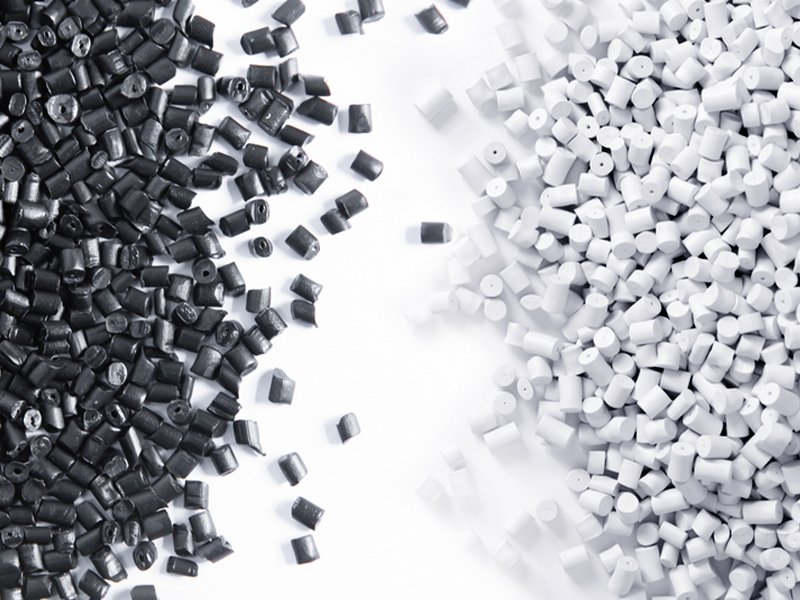
More Than Just Colour in the Plastic Industry
In the plastic industry, white and black are more than just colours. They represent quality, durability and performance. Over the years, we have developed a deeper understanding of what these colours mean to manufacturers, designers and industries around the world. Although they may appear to be the most basic aspects of plastic colouring, white and black masterbatches are among the most technically refined and carefully developed products we offer.
White Masterbatches: The Foundation of Consistent Colour
Every product begins with an idea, and that idea often starts in white. Whether it is a medical tray, a milk bottle or a consumer electronics shell, white provides the canvas on which other colours and finishes can be developed. However, achieving a pure and consistent white is not always easy. Factors such as product thickness, processing temperature and light exposure can affect the final appearance.
Understanding the Science Behind White
For us, the process begins well before production. We study how colour behaves under different conditions to help manufacturers achieve the desired finish and consistency. In recent years, industry expectations have evolved. The focus is no longer limited to colouring plastic; it is also about making plastic products smarter, stronger and more reliable.
White masterbatches are increasingly expected to maintain low yellowness under high processing temperatures, while black masterbatches are evolving beyond their traditional role as UV protectors to offer additional functional benefits. Our focus is on understanding these changing requirements and anticipating what manufacturers will need in the future.
Meeting Changing Performance Expectations
Achieving the right shade is only one part of the process. Consistency, processing conditions and the intended application all influence the choice of masterbatch. By understanding these factors, we work towards solutions that meet the practical needs of different industries.
Improving Processing Efficiency and Product Finish
One aspect of white and black masterbatches that often receives less attention is their impact on downstream processing. A masterbatch should do more than deliver the desired colour; it should also blend smoothly into high-speed manufacturing environments.
Our products are designed with considerations such as low dusting, high flowability and reduced production interruptions in mind. At the same time, demand is growing for more precise textures and finishes, particularly in consumer-focused products.
Different Finishes for Different Applications
Black, for instance, may need to create a glossy, mirror-like finish for luxury packaging or a matte appearance that absorbs light and helps conceal fingerprints. White also serves different purposes depending on the application.
The Role of Appearance and Finish
A medical-grade white that communicates cleanliness and hygiene may differ considerably from the softer, warmer white preferred by cosmetic brands. These differences highlight why masterbatch development requires an understanding of the product's purpose, appearance and processing requirements.
White and Black Masterbatches for Demanding Applications
In sectors such as agriculture and infrastructure, functional performance can be just as important as appearance. Black masterbatches used in drip irrigation pipes, greenhouse films and geomembranes must withstand prolonged exposure to weather and, depending on the application, chemicals and other environmental stresses.
White masterbatches can also perform important functional roles in products where surface properties and temperature management matter. Our approach goes beyond developing colour; it focuses on helping manufacturers achieve the resilience and performance their applications demand.
Supporting Durability and Reliability
Our goal is to develop products that do more than look good or perform well under ideal conditions. They should also address the evolving expectations of industries, including their requirements for product quality, safety and environmental responsibility.
Masterbatches and Cost Efficiency in Plastic Manufacturing
Another important dimension of white and black masterbatches is cost efficiency. Masterbatches can influence several aspects of plastic processing, including colour dispersion, mould filling and production cycle times. The right formulation and processing conditions can help manufacturers improve consistency and operational efficiency.
Technical Support Beyond Colour
Our technical support team works with converters to explore ways to optimise masterbatch loading levels without compromising required performance, improve extrusion conditions and troubleshoot issues related to opacity and dispersion.
Adapting to Different Manufacturing Needs
We believe in delivering value, not just colour. With experience across international markets, we understand that manufacturers may work with different raw materials, regulatory requirements and market expectations. This makes application-specific guidance and technical support an important part of achieving consistent results.
Consistency, Innovation and the Future of Masterbatches
Whether a white layer is intended to reflect light or a black layer to block it, consistency remains essential. Our products are evaluated for their performance across different layers, materials and thicknesses, according to the requirements of the intended application.
Looking ahead, we see significant possibilities for white and black masterbatches. At Plastiblends, we do not view colour as something that exists only on the surface. Black and white represent materials of substance as much as style. They reflect years of refinement, customer feedback and a continued effort to move beyond established approaches.
Building Trust Through Quality
We take pride in the trust that leading brands place in our black and white masterbatches across different sectors. From high-volume converters to specialised design studios, our products support manufacturers in creating products that combine appearance with functional performance.
It is this combination of technical development, customer understanding and the opportunity to help create better products that continues to inspire us every day.
Frequently Asked Questions (FAQs)
1. What are white and black masterbatches used for?
White and black masterbatches are used to impart colour and, depending on their formulation, support specific functional requirements in plastic products. Their applications include packaging, consumer products, agriculture and infrastructure.
2. Why is achieving consistent white in plastic products challenging?
Consistent white can be affected by factors such as product thickness, processing temperature, light exposure and material properties. Selecting a suitable formulation and maintaining appropriate processing conditions help achieve the desired appearance.
3. What factors should manufacturers consider when selecting black masterbatches?
Manufacturers should consider the intended application, desired finish, UV and weathering requirements, processing conditions and the performance expected from the final product.
4. How do masterbatches influence plastic processing efficiency?
A suitable masterbatch can support effective dispersion and consistent colour while offering processing characteristics suited to the manufacturing process. Formulation, loading levels and processing conditions all influence the final outcome.
5. Can white and black masterbatches provide benefits beyond colour?
Yes. Depending on their formulation, they can contribute to functional requirements such as UV protection, weather resistance, opacity and specific surface finishes. The benefits depend on the masterbatch grade and its intended application.
6. How can manufacturers improve the cost efficiency of masterbatch use?
Manufacturers can work with technical teams to assess suitable loading levels, optimise processing conditions and address issues such as opacity and dispersion. The aim is to achieve the required product performance while using materials efficiently.
7. Why is technical support important when choosing a masterbatch?
Technical support helps manufacturers identify suitable formulations, address processing challenges and adapt solutions to their materials, equipment and application requirements. This can help improve consistency and support more efficient production.
- How Plastiblends Brings Colour Masterbatches to Life
- Masterbatches: The Backbone of Plastics
- How Masterbatches are Transforming the Indian Plastic Industry
- White and Black Masterbatches Define More Than Colour
- How Flexible Plastic Packaging Is Redefining Consumer Convenience
- The Role of Black Masterbatch Manufacturers in Modern Plastics
- The Role of Filler Masterbatches in Effective Cost Control and Beyond
- Why White Masterbatch Manufacturers Are Key to Packaging and Product Aesthetics
- Inside the World of Flexible Plastic Packaging – Trends and Technologies
- The Role of Carbon Black Masterbatch in Modern Plastics
- From Automotive to Agriculture: Why Black Masterbatch Remains in Demand
- 5 Trends Transforming the Rigid Plastic Packaging Industry in the Long Term
- How Automotive Plastic Additives are Revolutionising Car Components
- Inside a Masterbatches Manufacturer’s Lab: The Science of Colour and Performance
- The PET Masterbatch Advantage in Modern Packaging
- The Rise of PP Masterbatch and How It’s Transforming Modern Manufacturing
- A Deep Dive into Carbon Black Masterbatch: Science, Applications & Innovation
- Inside the World of White Masterbatch Manufacturers
- The Real Reason Flexible Plastic Packaging Continues to Outpace Other Formats
- How Plastic Masterbatches Enable Consistency in an Inconsistent Market
- Thermoplastic Compounds and the New Definition of Material Flexibility
- Plastic Compounds and the End of Single-Property Plastics
- Additive Masterbatch Innovations Transforming Thermoplastic Compounds and Cable Insulation
- Flexible Plastic Packaging Explained: How Plastic Compounds and Masterbatches Drive Performance
- Inside Pharmaceutical Packaging: Why Additive Masterbatch and Colour Masterbatch Are Non-Negotiable
- The Science of Strength: Carbon Black Masterbatch, Conductive Masterbatch and Advanced Plastic Compounds
- Inside the Growth of Filler Masterbatches: Where Cost Efficiency Meets Performance in Plastic Compounds
- The Evolution of Plastic Masterbatch Manufacturers in India: From Commodity to Innovation Leaders
- Thermoplastic Compounds: The Backbone of Next-Gen Plastic Masterbatch Manufacturing
- White Masterbatches and the Science of Premium Aesthetics in Plastic Products
- From Concept to Component - How Engineering Compounds Are Redefining Material Performance Across Industries
- Invisible Protection - How Antioxidant Masterbatch Extends the Life of Plastics in High-Temperature Applications
- The Shift Toward Lightweighting: A Competitive Edge for Rigid Plastic Packaging Manufacturers
- What Automotive OEMs Look for in Black Masterbatch Manufacturers in 2026
- Colour Masterbatches Are Becoming a Design Language in Manufacturing
- Engineering Compounds: The Backbone of Modern Plastic Applications
- How Smart Compounding is Shaping Everyday Products
- Why the Automotive Industry Relies on Specialised Plastic Compounds Today
- Conductive Compounds in Automotive Electronics: Meeting the Demands of EV Components
- How Rigid Plastic Packaging Manufacturers Are Adapting to India's New Recycled Content Regulations
- How to Choose the Right PP Masterbatch for Packaging, Automotive, and Textile Industries
- What Are Thermoplastic Compounds and Why Do They Matter?
- Automotive Compounds: What Makes Modern Vehicles Lighter, Safer and More Durable
- Beyond Colour: How Masterbatch Producers Are Driving Material Performance
- Heat, Processing and Performance: Why Antioxidant Masterbatch Is Essential
- How Flexible Plastic Packaging Manufacturers Improve Products' Shelf Life