

The Rise of PP Masterbatch and How It’s Transforming Modern Manufacturing
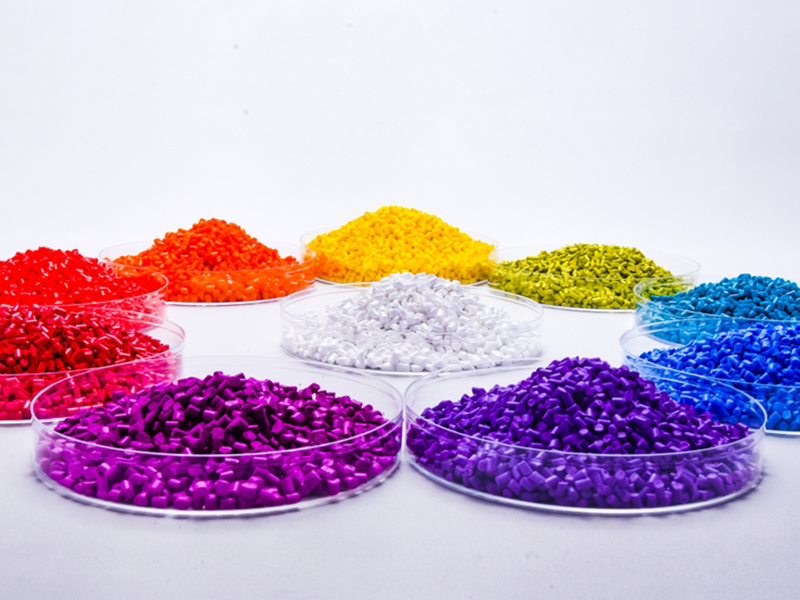
Modern day manufacturing is no longer defined by scale alone. Precision, adaptability, efficiency and sustainability have become equally relevant benchmarks and for good. As industries evolve to meet faster production cycles and rising performance expectations, materials too are undergoing a visible transformation. One such material solution gaining rapid momentum is PP masterbatch, a key enabler redefining how manufacturing operates across sectors.
But honestly, the rise of PP masterbatch is not just a trend, but as a structural shift in material science. Polypropylene has long been valued for its versatility, but it is through masterbatch innovation that it has truly unlocked its potential.
Polypropylene or PP, has been a cornerstone polymer in global manufacturing for decades. Lightweight, cost-effective as well as chemically resistant, it is widely used in industries like packaging, automotive parts, consumer goods, appliances and commercial components. However, as applications became more demanding, raw PP alone was no longer sufficient.
Manufacturers needed better colour consistency, improved surface finish, enhanced durability and greater control over processing behaviour. Rather than treating additives and colour as afterthoughts, PP masterbatches integrate them seamlessly, enabling manufacturers to build value into every pellet of plastic.
But what makes PP masterbatch a true manufacturing game-changer? At its core, it is a concentrated blend of pigments and functional additives dispersed in a polypropylene-compatible carrier resin. But its real strength lies in how it simplifies complexity on the factory floor.
Instead of handling multiple raw additives, manufacturers can rely on a single, precisely formulated masterbatch that delivers consistent results batch after batch. In modern manufacturing environments, where speed, repeatability and waste reduction…. matter a lot, this consistency is invaluable.
Also, the colour factor is no longer just about visual appeal. It plays a functional role in product identification, branding consistency, safety coding and even heat management.
Through colour PP masterbatch, manufacturers gain precise control over shade accuracy, opacity, gloss and long-term colour stability. Whether it’s a bright consumer product, a muted industrial component or a high-clarity packaging item, masterbatch technology ensures the colour performs as expected throughout the product’s lifecycle.
Apart from all these factors, modern manufacturing is increasingly design-driven too. Products now feature complex designs, fine textures, integrated functionalities and multi-component assemblies. Raw polymers alone often struggle to meet these demands. PP masterbatches enable this design freedom by improving mould release, surface finish and flow behaviour.
Products manufactured today are expected to last longer, perform better and above all, withstand harsher conditions. Whether exposed to sunlight, chemicals, friction or repeated stress, polypropylene components must retain their properties over time. Functional PP masterbatch formulations incorporating UV stabilisers, antioxidants and heat stabilisers significantly extend product lifespan. These additives protect the polymer structure from degradation, maintaining mechanical strength and appearance throughout use.
One of the reasons PP masterbatch has seen rapid adoption is its adaptability across industries and sectors. From packaging and consumer goods to appliances and infrastructure components, it is present everywhere and can be customised for each application.
This versatility means manufacturers no longer need entirely new polymers for new requirements. Instead, they can modify existing grades using targeted solutions, reducing material and inventory overhead.
The rise of PP masterbatch reflects a broader transformation in manufacturing philosophy where materials are no longer passive inputs, but active enablers of innovation. It is a fact that s manufacturing challenges evolve, so must material solutions. Whether it’s improving recyclability, enhancing performance or enabling new design possibilities, industry focus remains on delivering value through science-driven innovation.
From improving production efficiency and enabling lightweight design to supporting sustainability and design freedom, PP masterbatch has moved far beyond its original role. It now sits at the intersection of performance, efficiency and innovation. Afterall, when materials evolve intelligently, manufacturing evolves with them.
- How Plastiblends Brings Colour Masterbatches to Life
- Masterbatches: The Backbone of Plastics
- How Masterbatches are Transforming Indian Plastic Industry
- White and Black Masterbatches Define More Than Colour
- How Flexible Plastic Packaging Is Redefining Consumer Convenience
- The Role of Black Masterbatch Manufacturers in Modern Plastics
- The Role of Filler Masterbatches in Effective Cost Control and Beyond
- Why White Masterbatch Manufacturers Are Key to Packaging and Product Aesthetics
- Inside the World of Flexible Plastic Packaging – Trends and Technologies
- The Role of Carbon Black Masterbatch in Modern Plastics
- From Automotive to Agriculture: Why Black Masterbatch Remains in Demand
- 5 Trends Transforming the Rigid Plastic Packaging Industry in the Long Term
- How Automotive Plastic Additives are Revolutionising Car Components
- Inside a Masterbatches Manufacturer’s Lab: The Science of Colour and Performance
- The PET Masterbatch Advantage in Modern Packaging
- The Rise of PP Masterbatch and How It’s Transforming Modern Manufacturing
- A Deep Dive into Carbon Black Masterbatch: Science, Applications & Innovation
- Inside the World of White Masterbatch Manufacturers
- The Real Reason Flexible Plastic Packaging Continues to Outpace Other Formats
- How Plastic Masterbatches Enable Consistency in an Inconsistent Market
- Thermoplastic Compounds and the New Definition of Material Flexibility
- Plastic Compounds and the End of Single-Property Plastics
- Additive Masterbatch Innovations Transforming Thermoplastic Compounds and Cable Insulation
- Flexible Plastic Packaging Explained: How Plastic Compounds and Masterbatches Drive Performance
- Inside Pharmaceutical Packaging: Why Additive Masterbatch and Colour Masterbatch Are Non-Negotiable
- The Science of Strength: Carbon Black Masterbatch, Conductive Masterbatch and Advanced Plastic Compounds
- Inside the Growth of Filler Masterbatches: Where Cost Efficiency Meets Performance in Plastic Compounds
- The Evolution of Plastic Masterbatch Manufacturers in India: From Commodity to Innovation Leaders
- Thermoplastic Compounds: The Backbone of Next-Gen Plastic Masterbatch Manufacturing
- White Masterbatches and the Science of Premium Aesthetics in Plastic Products
- From Concept to Component - How Engineering Compounds Are Redefining Material Performance Across Industries
- Invisible Protection - How Antioxidant Masterbatch Extends the Life of Plastics in High-Temperature Applications
- The Shift Toward Lightweighting: A Competitive Edge for Rigid Plastic Packaging Manufacturers
- What Automotive OEMs Look for in Black Masterbatch Manufacturers in 2026
- Colour Masterbatches Are Becoming a Design Language in Manufacturing
- Engineering Compounds: The Backbone of Modern Plastic Applications
- How Smart Compounding is Shaping Everyday Products
- Why the Automotive Industry Relies on Specialised Plastic Compounds Today
- Conductive Compounds in Automotive Electronics: Meeting the Demands of EV Components
- How Rigid Plastic Packaging Manufacturers Are Adapting to India's New Recycled Content Regulations
- How to Choose the Right PP Masterbatch for Packaging, Automotive, and Textile Industries
- What Are Thermoplastic Compounds and Why Do They Matter?
- Automotive Compounds: What Makes Modern Vehicles Lighter, Safer and More Durable
- Beyond Colour: How Masterbatch Producers Are Driving Material Performance
- Heat, Processing and Performance: Why Antioxidant Masterbatch Is Essential
- How Flexible Plastic Packaging Manufacturers Improve Products' Shelf Life