

Flexible Plastic Packaging Explained: How Plastic Compounds and Masterbatches Drive Performance
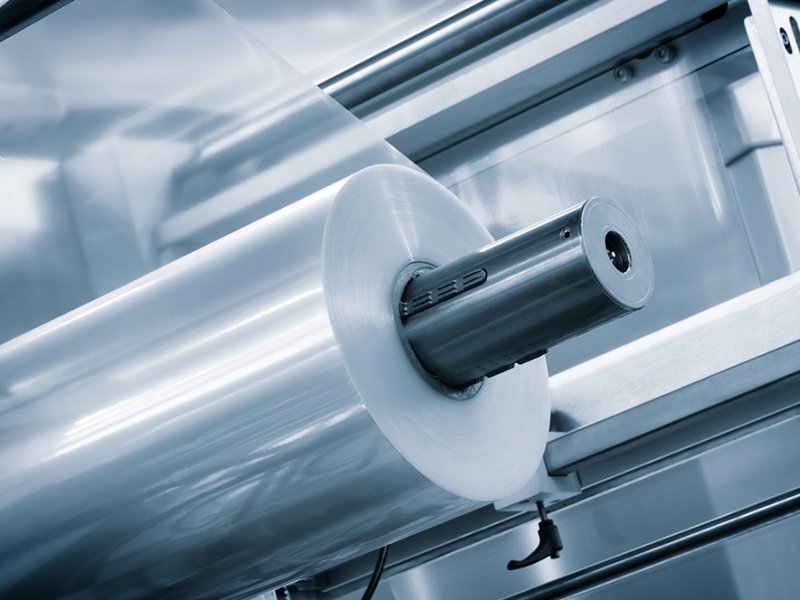
Flexible plastic packaging is often judged by what the consumer sees - gloss, clarity, colour, print finish. But in the masterbatches market, we know that real performance lies beneath the surface.
Because a film that looks good but fails on seal integrity, puncture resistance, or processing efficiency isn’t innovation - it’s risk.
Today’s flexible plastic packaging must do more than wrap a product. It must preserve shelf life, withstand logistics, enhance brand identity, and run efficiently on high-speed lines. Delivering all of this consistently requires intelligent material engineering - particularly in the form of advanced plastic compounds and precisely formulated masterbatches.
The Invisible Architecture of Flexible Packaging
At its core, flexible packaging relies on polymers like PE, PP, and PET. But base resins alone cannot meet the mechanical and functional demands of modern packaging.
This is where plastic compounds come into play.
Compounding allows manufacturers to modify core polymer properties - improving impact strength, stiffness balance, heat seal behaviour, and barrier performance. For example, multilayer films used in food applications depend on carefully engineered compound structures to maintain integrity under stress while preserving freshness.
In high-output packaging plants, even small variations in compound performance can affect productivity. Consistency is not a bonus - it is operational necessity.
Masterbatches: Precision at the Molecular Level
While plastic compounds create the structural backbone, masterbatches fine-tune performance.
A masterbatch is far more than a colouring agent. In flexible plastic packaging, it becomes a functional tool that influences processing behaviour, surface properties, durability, and regulatory compliance.
Consider colour first. In competitive retail environments, brand recall is driven by precision. A slight shade variation across batches can dilute brand identity. High-quality colour masterbatches ensure uniform dispersion and repeatability - especially critical in thin-gauge films where inconsistencies become immediately visible.
But aesthetics are only one dimension.
Additive masterbatches play an equally critical role in performance engineering. Slip and anti-block additives reduce film friction and prevent sticking during winding. Anti-fog solutions maintain clarity in refrigerated food packaging. UV stabilisers protect polymer chains from degradation during outdoor exposure.
In short, masterbatches influence how packaging performs on the production floor and how it survives in the real world.
Efficiency Is the New Performance Metric
The flexible packaging segment is highly cost-sensitive. Downtime, wastage, or inconsistent dispersion can directly impact margins.
Well-designed masterbatches support better melt flow, cleaner extrusion, and predictable processing behaviour. That translates to higher line speeds, reduced scrap rates, and stable quality output - factors that matter deeply to converters and rigid plastic packaging manufacturers expanding into flexible formats.
The conversation today is no longer just about additives. It is about integrated material solutions.
The Shift Toward Intelligent Material Partnerships
As sustainability pressures grow, manufacturers are working with thinner films, recycled content, and mono-material structures. This increases the technical demands placed on both plastic compounds and masterbatches.
Compatibility, dispersion quality, and long-term performance stability are now critical evaluation parameters.
Established masterbatch manufacturers like Plastiblends understand this shift. With decades of experience serving diverse segments of the plastics industry, the company develops specialised colour and additive solutions engineered for consistent dispersion and application-specific performance. Their approach aligns with what the flexible packaging market increasingly demands - reliability at scale.
In a segment where micron-level variations can affect millions of packs, that expertise matters.
Beyond Appearance: Engineering Competitive Advantage
Flexible packaging may look simple, but it is one of the most technically demanding areas within the plastics industry. Performance is engineered - layer by layer, additive by additive.
When plastic compounds provide structural integrity and masterbatches refine functionality, the result is packaging that protects, performs, and processes efficiently.
And in a market defined by speed, precision, and brand visibility, that layered intelligence is what ultimately drives competitive advantage.
- How Plastiblends Brings Colour Masterbatches to Life
- Masterbatches: The Backbone of Plastics
- How Masterbatches are Transforming Indian Plastic Industry
- White and Black Masterbatches Define More Than Colour
- How Flexible Plastic Packaging Is Redefining Consumer Convenience
- The Role of Black Masterbatch Manufacturers in Modern Plastics
- The Role of Filler Masterbatches in Effective Cost Control and Beyond
- Why White Masterbatch Manufacturers Are Key to Packaging and Product Aesthetics
- Inside the World of Flexible Plastic Packaging – Trends and Technologies
- The Role of Carbon Black Masterbatch in Modern Plastics
- From Automotive to Agriculture: Why Black Masterbatch Remains in Demand
- 5 Trends Transforming the Rigid Plastic Packaging Industry in the Long Term
- How Automotive Plastic Additives are Revolutionising Car Components
- Inside a Masterbatches Manufacturer’s Lab: The Science of Colour and Performance
- The PET Masterbatch Advantage in Modern Packaging
- The Rise of PP Masterbatch and How It’s Transforming Modern Manufacturing
- A Deep Dive into Carbon Black Masterbatch: Science, Applications & Innovation
- Inside the World of White Masterbatch Manufacturers
- The Real Reason Flexible Plastic Packaging Continues to Outpace Other Formats
- How Plastic Masterbatches Enable Consistency in an Inconsistent Market
- Thermoplastic Compounds and the New Definition of Material Flexibility
- Plastic Compounds and the End of Single-Property Plastics
- Additive Masterbatch Innovations Transforming Thermoplastic Compounds and Cable Insulation
- Flexible Plastic Packaging Explained: How Plastic Compounds and Masterbatches Drive Performance
- Inside Pharmaceutical Packaging: Why Additive Masterbatch and Colour Masterbatch Are Non-Negotiable
- The Science of Strength: Carbon Black Masterbatch, Conductive Masterbatch and Advanced Plastic Compounds
- Inside the Growth of Filler Masterbatches: Where Cost Efficiency Meets Performance in Plastic Compounds
- The Evolution of Plastic Masterbatch Manufacturers in India: From Commodity to Innovation Leaders
- Thermoplastic Compounds: The Backbone of Next-Gen Plastic Masterbatch Manufacturing
- White Masterbatches and the Science of Premium Aesthetics in Plastic Products
- From Concept to Component - How Engineering Compounds Are Redefining Material Performance Across Industries
- Invisible Protection - How Antioxidant Masterbatch Extends the Life of Plastics in High-Temperature Applications
- The Shift Toward Lightweighting: A Competitive Edge for Rigid Plastic Packaging Manufacturers
- What Automotive OEMs Look for in Black Masterbatch Manufacturers in 2026
- Colour Masterbatches Are Becoming a Design Language in Manufacturing
- Engineering Compounds: The Backbone of Modern Plastic Applications
- How Smart Compounding is Shaping Everyday Products
- Why the Automotive Industry Relies on Specialised Plastic Compounds Today
- Conductive Compounds in Automotive Electronics: Meeting the Demands of EV Components
- How Rigid Plastic Packaging Manufacturers Are Adapting to India's New Recycled Content Regulations
- How to Choose the Right PP Masterbatch for Packaging, Automotive, and Textile Industries
- What Are Thermoplastic Compounds and Why Do They Matter?
- Automotive Compounds: What Makes Modern Vehicles Lighter, Safer and More Durable
- Beyond Colour: How Masterbatch Producers Are Driving Material Performance
- Heat, Processing and Performance: Why Antioxidant Masterbatch Is Essential
- How Flexible Plastic Packaging Manufacturers Improve Products' Shelf Life