

Beyond Colour: How Masterbatch Producers Are Driving Material Performance
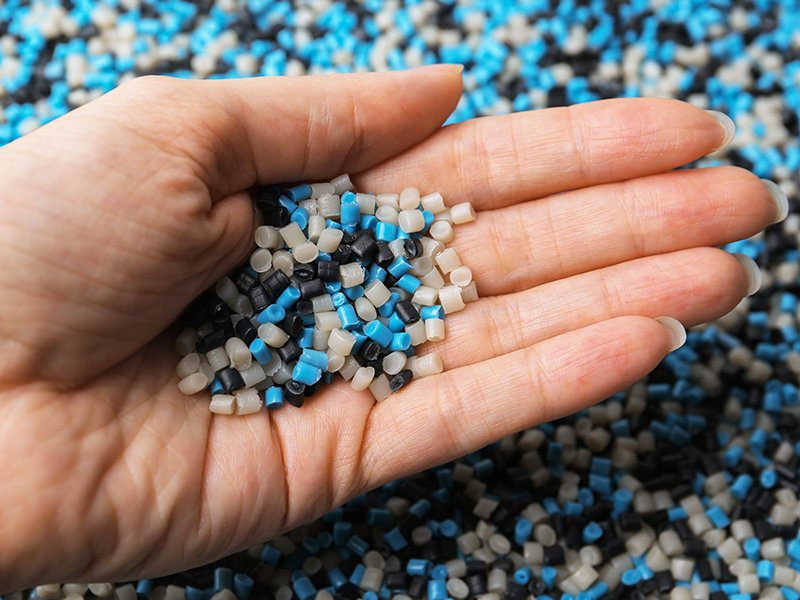
Ask most people what masterbatch does, and you'll probably hear "it's what makes plastic colourful." That's true, but it's also only a tiny slice of the story. Today, masterbatch producers are doing far more than mixing pigments; they're engineering performance, durability and functionality straight into plastic products before they're even shaped into their final form.
What Masterbatch Actually Is
In simple terms, masterbatch is a concentrated blend of additives or pigments encapsulated in a carrier resin. Manufacturers add small amounts of it during the plastic processing stage, and it disperses evenly through the final product. Think of it like a spice blend added to a big pot of food - a small quantity changes the entire outcome.
While colour masterbatch is still widely used, the industry has evolved to create specialised batches that solve real engineering problems: UV degradation, static buildup, weak impact resistance and more.
Colour Was Just the Beginning
Brands still care deeply about colour consistency, especially for packaging and consumer goods where shelf appeal matters. But masterbatch producers realised early on that if they could deliver colour masterbatches with precision, they could deliver other properties the same way. That shift changed the entire industry.
Functional Masterbatches Taking Centre Stage
Modern masterbatch producers now offer a wide toolkit of functional additives, each solving a specific real-world problem:
- UV Masterbatch – Protects plastics used outdoors, such as agricultural films, furniture, and automotive parts, from sun damage, fading, and material breakdown over time.
- Carbon Black Masterbatch – Adds not just a deep black colour but also improves UV resistance, electrical conductivity, and mechanical strength. It's a favourite across pipes, cables, and automotive components.
- Anti-static Masterbatch – Reduces the buildup of static electricity, crucial for electronics packaging.
- Flame Retardant Masterbatch – Helps plastics resist ignition, important for construction and electrical products.
This shift toward functional performance is why many manufacturers today search for black masterbatch manufacturers who can deliver not just aesthetics but also mechanical and environmental resistance in one solution.
Why Dispersion Quality Matters So Much
A masterbatch is only as good as how evenly it spreads through the base plastic. Poor dispersion leads to weak spots, colour streaks, or inconsistent performance - a serious problem for industries like automotive or medical devices, where every part must meet strict quality standards. Leading producers invest heavily in fine grinding technology and quality testing to ensure every batch performs the same way, every single time.
Supporting Multiple Industries at Once
What makes masterbatch producers so valuable is their reach across industries. The same core technology that colours a toy can be adapted to protect a car bumper from sun damage or make a pipe more durable underground. This cross-industry flexibility is part of why masterbatch has become a backbone material in plastics manufacturing rather than a niche additive.
Meeting Rising Sustainability Demands
Sustainability pressure has pushed producers to innovate further. Many are now developing masterbatches compatible with recycled resins, ensuring that colour and performance additives don't interfere with recyclability. This is a meaningful shift, since it allows masterbatch producers to meet environmental goals without giving up on product quality or appearance.
The Real Value: Solving Problems, Not Just Adding Colour
The biggest change in this industry isn't a new machine or chemical — it's a mindset. Masterbatch producers today see themselves as performance partners, not just colour suppliers. Whether it's helping automotive compounds survive extreme heat, keeping packaging UV-resistant, or making cables safer with flame retardant properties, their work happens quietly behind the scenes but shapes how well everyday plastic products perform in the real world.
Final Thoughts
Colour will always be part of the masterbatch story, but it's no longer the whole story. As industries demand plastics that last longer, resist damage, and perform reliably under stress, masterbatch producers are stepping up as genuine material science partners; proving that the smallest additive can make the biggest difference.
- How Plastiblends Brings Colour Masterbatches to Life
- Masterbatches: The Backbone of Plastics
- How Masterbatches are Transforming Indian Plastic Industry
- White and Black Masterbatches Define More Than Colour
- How Flexible Plastic Packaging Is Redefining Consumer Convenience
- The Role of Black Masterbatch Manufacturers in Modern Plastics
- The Role of Filler Masterbatches in Effective Cost Control and Beyond
- Why White Masterbatch Manufacturers Are Key to Packaging and Product Aesthetics
- Inside the World of Flexible Plastic Packaging – Trends and Technologies
- The Role of Carbon Black Masterbatch in Modern Plastics
- From Automotive to Agriculture: Why Black Masterbatch Remains in Demand
- 5 Trends Transforming the Rigid Plastic Packaging Industry in the Long Term
- How Automotive Plastic Additives are Revolutionising Car Components
- Inside a Masterbatches Manufacturer’s Lab: The Science of Colour and Performance
- The PET Masterbatch Advantage in Modern Packaging
- The Rise of PP Masterbatch and How It’s Transforming Modern Manufacturing
- A Deep Dive into Carbon Black Masterbatch: Science, Applications & Innovation
- Inside the World of White Masterbatch Manufacturers
- The Real Reason Flexible Plastic Packaging Continues to Outpace Other Formats
- How Plastic Masterbatches Enable Consistency in an Inconsistent Market
- Thermoplastic Compounds and the New Definition of Material Flexibility
- Plastic Compounds and the End of Single-Property Plastics
- Additive Masterbatch Innovations Transforming Thermoplastic Compounds and Cable Insulation
- Flexible Plastic Packaging Explained: How Plastic Compounds and Masterbatches Drive Performance
- Inside Pharmaceutical Packaging: Why Additive Masterbatch and Colour Masterbatch Are Non-Negotiable
- The Science of Strength: Carbon Black Masterbatch, Conductive Masterbatch and Advanced Plastic Compounds
- Inside the Growth of Filler Masterbatches: Where Cost Efficiency Meets Performance in Plastic Compounds
- The Evolution of Plastic Masterbatch Manufacturers in India: From Commodity to Innovation Leaders
- Thermoplastic Compounds: The Backbone of Next-Gen Plastic Masterbatch Manufacturing
- White Masterbatches and the Science of Premium Aesthetics in Plastic Products
- From Concept to Component - How Engineering Compounds Are Redefining Material Performance Across Industries
- Invisible Protection - How Antioxidant Masterbatch Extends the Life of Plastics in High-Temperature Applications
- The Shift Toward Lightweighting: A Competitive Edge for Rigid Plastic Packaging Manufacturers
- What Automotive OEMs Look for in Black Masterbatch Manufacturers in 2026
- Colour Masterbatches Are Becoming a Design Language in Manufacturing
- Engineering Compounds: The Backbone of Modern Plastic Applications
- How Smart Compounding is Shaping Everyday Products
- Why the Automotive Industry Relies on Specialised Plastic Compounds Today
- Conductive Compounds in Automotive Electronics: Meeting the Demands of EV Components
- How Rigid Plastic Packaging Manufacturers Are Adapting to India's New Recycled Content Regulations
- How to Choose the Right PP Masterbatch for Packaging, Automotive, and Textile Industries
- What Are Thermoplastic Compounds and Why Do They Matter?
- Automotive Compounds: What Makes Modern Vehicles Lighter, Safer and More Durable
- Beyond Colour: How Masterbatch Producers Are Driving Material Performance
- Heat, Processing and Performance: Why Antioxidant Masterbatch Is Essential
- How Flexible Plastic Packaging Manufacturers Improve Products' Shelf Life